Clinical skin solutions for hormonal ageing and sensitivity.
As we move into our 40’s lower estrogen levels profoundly change our skin.
Perimenopause and menopause is not just about hot flushes and skipped periods.
It’s a whole-body transition that affects the brain, bones, heart, metabolism gut and of course, the skin.
Thriving through menopause requires a holistic strategy.
At The Skin Studio in Perth, we understand that peri-menopause is unpredictable and support women’s wide range of physical and emotional symptoms.
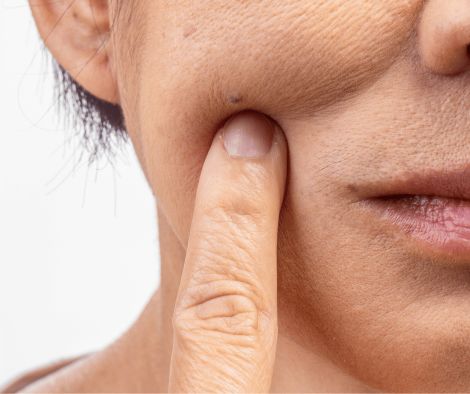
Common Skin Concerns in Perimenopause and Menopause
In the first 5 years of peri-menopause, the skin loses roughly 30% of it’s collagen.
Loss of Firmness and Elasticity
Hormonal collagen decline leads to:
- Fine lines, deepening into wrinkles
- Sagging around the jawline and neck as fat pads redistribute
- Loss of cheek support as bone density decreases
- Crepey skin texture
- More visible fine lines and wrinkles
Menopause and Itchy Skin
Menopause related itchy skin (pruritus) is primarily caused by falling estrogen levels.
- Compromised Skin Barrier
- Sensations like crawling skin (formication)
- Lower lipid (natural oil) levels
- Slower healing and reduced resilliance
Menopause Dry Skin
Estrogen supports oil and moisture retention. When levels fall:
- Skin becomes tighter and rougher
- Makeup no longer sits well
- Fine dehydration lines appear
- Sensitivity increases
Sensitivity and Rosacea Flares
Many women develop:
- Flushing
- Redness
- Burning or stinging
- Increased reactivity to products
This is due to vascular instability and barrier dysfunction
Menopause Acne Breakouts and Pimples
Adult acne can reappear or persist due to:
- Androgen shifts
- Insulin resistance
- Increased inflammation
- Impaired skin turnover
Pigmentation and Uneven Tone
Melasma and sun damage often worsen during hormonal transition due to:
- Increased melanocyte activity
- UV sensitivity
- Reduced barrier defence
Why Menopausal Skin Needs a Different Approach
It’s not just cosmetic – it’s a sign your skin isn’t regenerating like it used to.
Menopausal skin cannot be treated the same way as younger skin. It is:
- More fragile
- Less resilient
- Slower to heal
- More prone to inflammation
- Less tolerant of aggressive treatments
- This is why over-exfoliation, strong acids, and poorly chosen injectables often worsen outcomes.
- Menopausal skin requires regenerative, barrier-supportive and collagen-stimulating care.
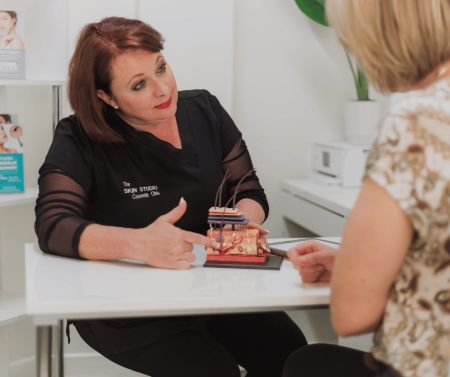

Vascular and pigmentation management for peri-menopausal skin.
These treatments are ideal for flushing, redness, rosacea, sun spots and age-related pigmentation.
Light treatments are not suitable for Melasma.
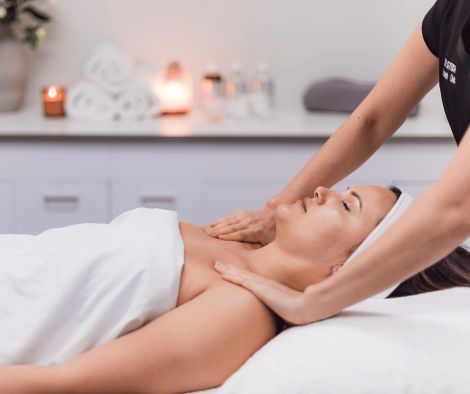
Essential for menopausal skin to restore hydration, comfort and skin resilience.
- Ceramide infusions
- Lipid replacement therapy
- Peptide complexes
- LED red light therapy
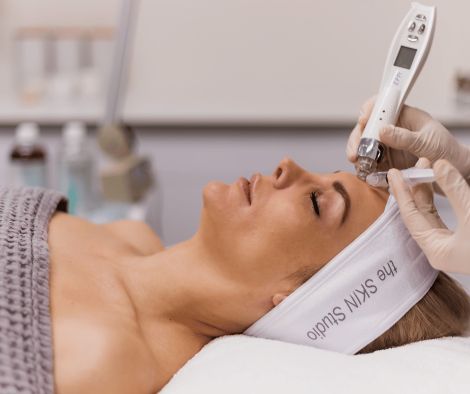
Stimulates fibroblast activity and collagen production, improving firmness, texture, fine lines and pore appearance.
We recomend Exosomes (an advanced regenerative therapy) for hormonal ageing that improves skin density, enhances healing, reduces inflammation and strengthens the dermal matrix.
The Role of Internal Health in Menopausal Skin
Hormonal skin changes are influenced by internal factors. We consider:
- The role of Hormone Replacement Therapy
- Chronic inflammation
- Cortisol levels
- Gut microbiome balance
- Nutrient deficiencies (iron, zinc, B12, omega-3)
When internal systems are supported, skin responds significantly better to treatment.
The Skin Studio has a network of allied menopause health professionals and can refer you to appropriate specialists.
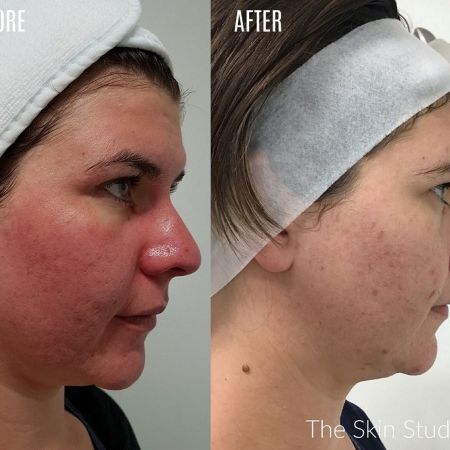
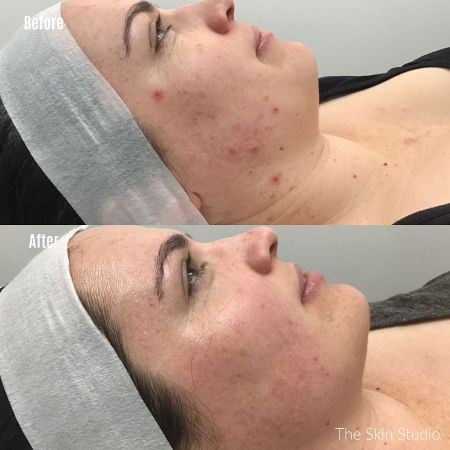
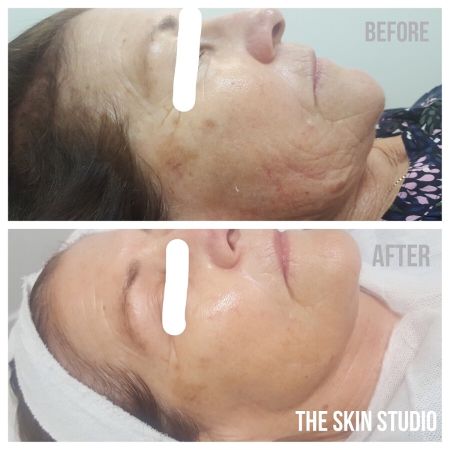
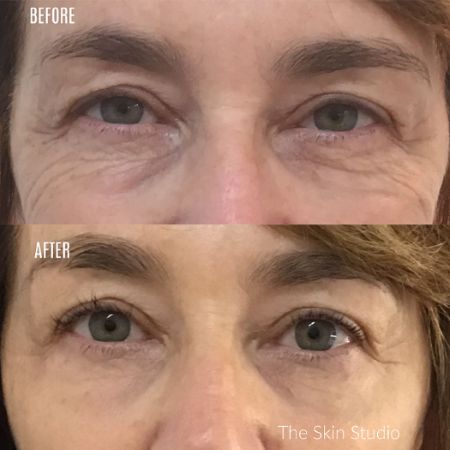
Why Choose The Skin Studio for Menopausal Skin
The Skin Studio team has a unique appreciation of how difficult it can be to find the answers to your Menopause questions in Perth.
We specialise in treating ageing female skin, understand hormonal changes at a clinical level and can support you through the journey.
Our approach is:
- Evidence-based
- Gentle but effective
- Personalised to hormonal stages
- Focused on long-term skin health
- Designed for women over 40
We treat the biology of ageing skin — not just the symptoms.